The Engineers Who See the Big Picture
There’s a difference I keep noticing between engineers, and I don’t see it talked about much. I don’t want to call it good vs. great, because it isn’t really about skill. It’s more about how much of the world outside their own work they pay attention to.
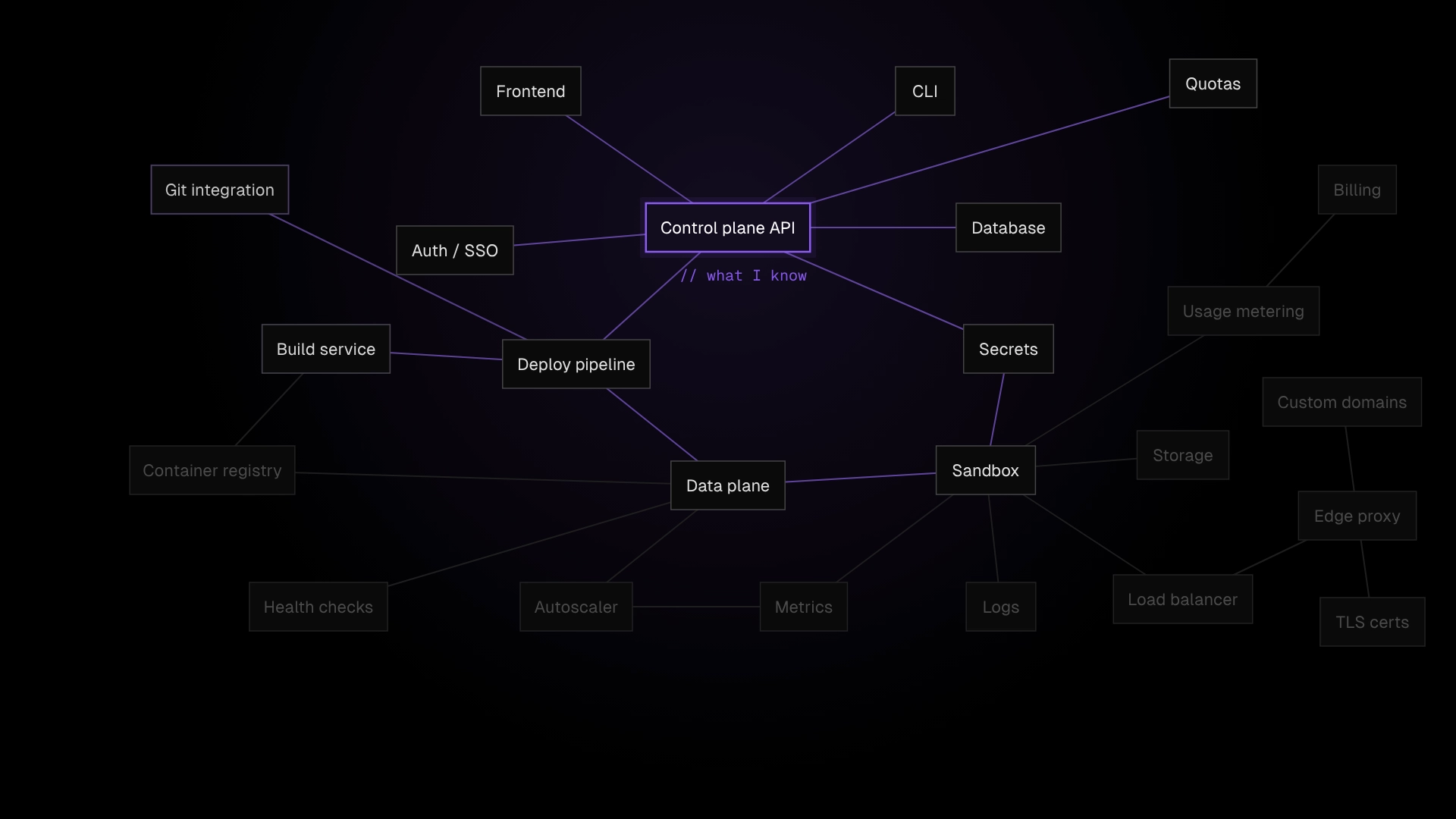
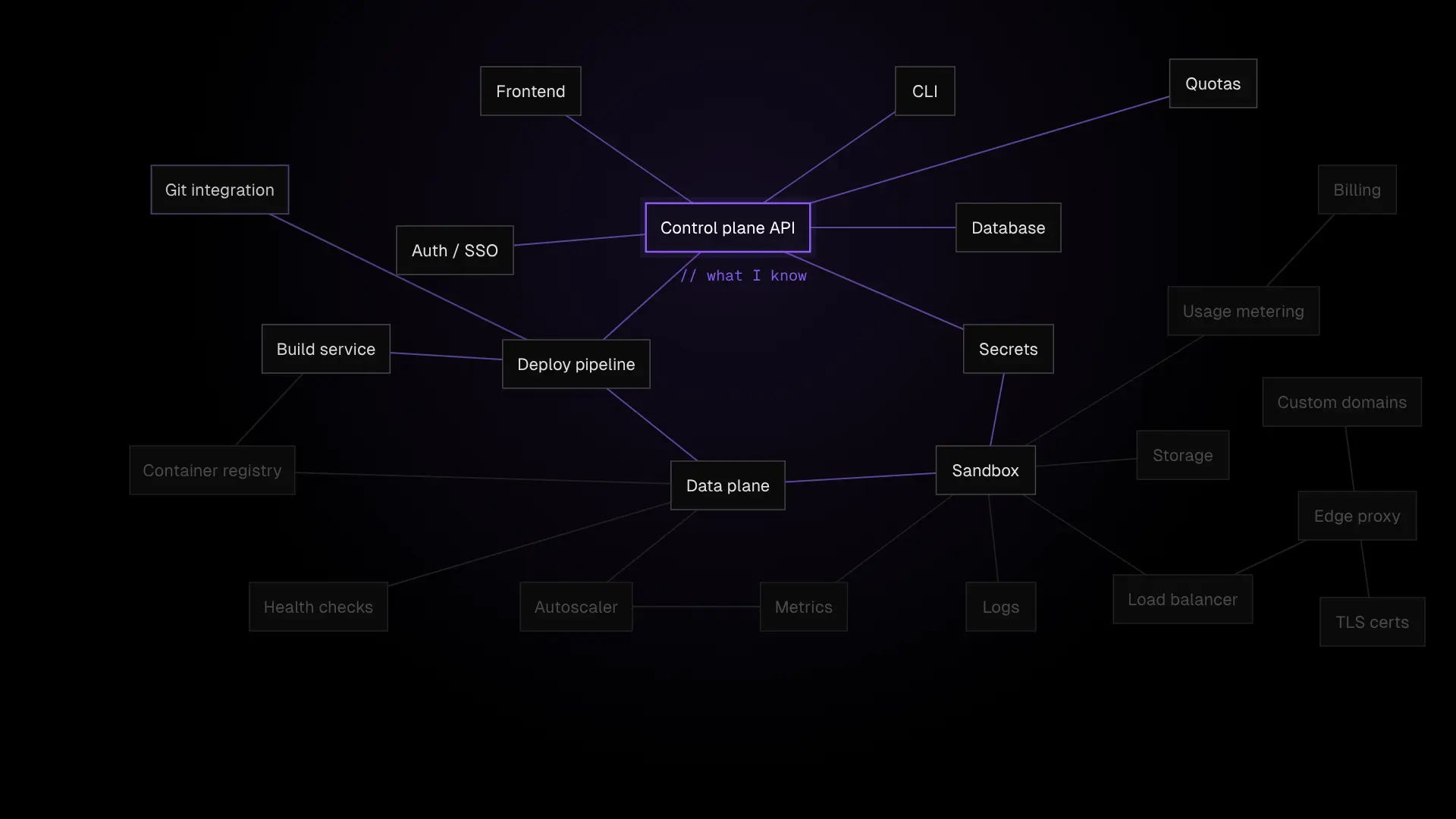
A lot of engineers are very good at what they do. Some get promoted fast because of it. But they have tunnel vision. They know their one piece really well and very little around it.
I think this is quietly dangerous for a company. When everyone lives in their own bubble, they keep doing things the way their team has always done them. Even when they try to improve something, they improve it toward where they think it should go, without stepping back to look at how the rest of the industry already does it. I think that’s a big part of why quality slowly degrades at bigger companies.
What It Looks Like
A few examples I’ve run into.
The one-click surprise. An engineer I work with, very smart and promoted quickly, deployed a little vibe-coded app on a modern hosting platform. They were blown away that it was live in minutes instead of hours. They’d only ever deployed on bigger, heavier systems, so they had no idea it could be that easy.
That alone isn’t a big deal. Their job didn’t require knowing that. The problem is when it’s common. It’s easy to think your tool is easy because you removed some friction compared to the last tool, and completely miss that newer tools removed friction you never even thought about. An hour of setup on a big cloud platform can feel fast if you’ve never clicked one button on Railway or Vercel and watched it go live.
“I don’t work on that part.” I once asked a senior engineer how a certain part of their service worked. It wasn’t some obscure corner, it was pretty fundamental to how any service like theirs runs. The answer was, “I don’t know, I only work on this part.”
Not knowing your customer. I met an engineer on an infrastructure team and told them which service I work on. They’d never heard of it. We’re one of their team’s biggest customers, and their team has shipped features because we asked for them.
I wish these were rare. In my experience they’re not.
The Other Side
One morning on the train to work, I opened Twitter and saw another company’s postmortem on a recent incident. I started reading it because it looked interesting. They did a lot of things right, and a lot also went wrong.
So I thought, I should make sure we don’t have the same problems. I checked a few of them against our own service and found some things we need to fix. They probably would have been caught eventually, but they hadn’t been yet. If nobody on the team was reading things like that, they could have kept going unnoticed.
I can’t share specifics, which is a shame because I learn best from concrete examples. But the point is that a postmortem from a company that has nothing to do with my job turned into real fixes for my own service.
Living and Breathing It
I think part of the difference comes down to how people relate to the work. For some engineers, it’s a day job. They log in at 9, do good work, log off at 5, and don’t think about software until the next morning. That’s a completely valid way to live.
Then there are people like me who can’t really escape it. I’m on Twitter reading software news, and when work ends I switch to side projects, where I’m actually using the developer-focused platforms I’d otherwise only hear about. Over time that gives you a picture of how the whole industry fits together, not just your corner of it.
How much that helps depends on the job. Sometimes it barely matters. But when your work overlaps with the things you explore on your own time, it can really compound.
Same Thing in College
I noticed the same split in school. Some engineering students were naturally gifted academically. They chose engineering because it paid well and seemed interesting, and they breezed through calculus. Others chose it mostly for the paycheck, and a lot of them got weeded out. And then there were people like me, who weren’t acing every exam but loved building things.
I was always one of the last people to finish exams, and one of the first to finish labs. I’m a hands-on person. People like that seemed rarer, both in school and at work.
Not the Only Way
I don’t think there’s one right way to be an engineer, and you don’t have to spend your evenings coding to be a good one. Plenty of people do great work and keep software at work.
But if you want to see the bigger picture, it doesn’t take much. Read a postmortem from another company. Try the tool your competitor is proud of. Ask how the part next to yours works. Find out who your biggest customer is. Those small things add up to a view most of your team won’t have.
← Back to blog